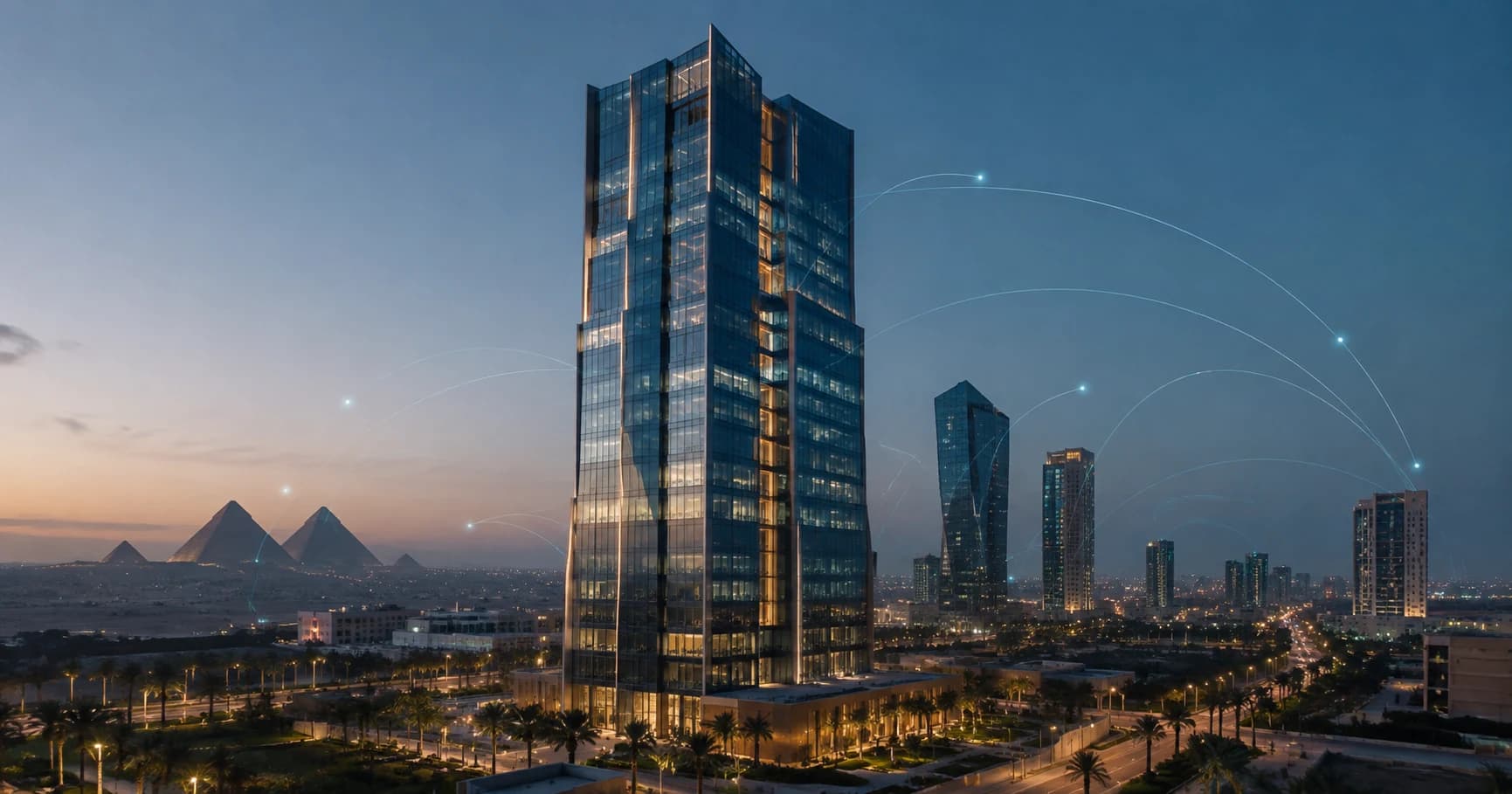
Open article contents
Article Contents
Pillar Guide
New Capital Investment GuideQuick Answer
A smart tower investment is stronger when technology improves measurable building operations: HVAC control, energy monitoring, access, security, fire and life safety integration, maintenance, space use, and tenant experience. Investors should ask what is connected, who operates it, how performance is monitored, how cybersecurity is managed, and what happens when a system or vendor changes.
Key Takeaways
What matters before you compare offers.
Smart is an operating model, not a decorative feature list.
Integrated systems can improve visibility, coordination, maintenance, comfort, and efficiency.
The building management system, sensors, controls, network, and operating team must work together.
Cybersecurity, data ownership, vendor support, and fallback procedures are investment questions.
Technology has value only when tenants and operators can use it reliably.
Project-specific AI Tower queries remain owned by the AI Tower landing page.
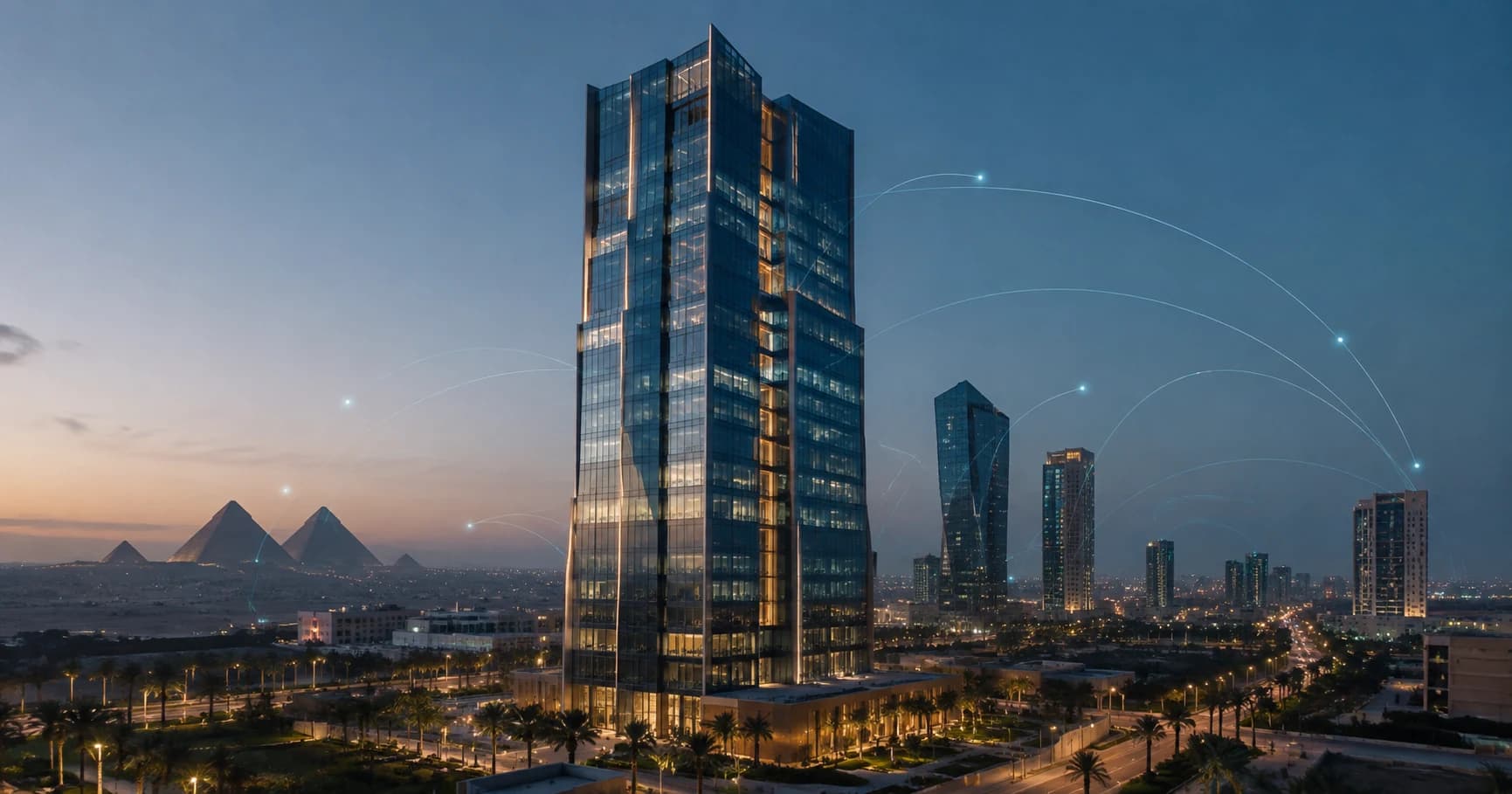
Definition
What makes a tower genuinely smart
A smart tower uses connected controls, sensors, software, and operational processes to monitor and manage building systems. Honeywell describes integrated building systems as a way to connect functions such as HVAC, lighting, security, energy management, and fire safety so they can be managed more coherently. The investment value comes from better decisions and smoother operations, not from the presence of screens or mobile apps alone.
The central question is integration. Separate systems can each be advanced while still forcing the facility team to monitor multiple dashboards, duplicate work, and react slowly. A coordinated platform can give operators a clearer view of conditions, alarms, energy use, occupancy, maintenance needs, and security events. That can support service quality when the system is properly commissioned and managed.
Investors do not need to become building engineers, but they should ask for a plain-language systems map. It should identify which assets are monitored, which can be controlled, where data is stored, who receives alerts, and what actions follow an alert.
Core Systems
The connected systems that deserve attention
Building management commonly includes heating, ventilation, air conditioning, lighting, power, metering, access control, security, fire and life-safety interfaces, elevators, and other mechanical or electrical assets. The exact scope differs by project, so investors should not assume that a broad smart-building claim includes every system.
HVAC and indoor conditions matter because they influence comfort, operating cost, and tenant complaints. Energy monitoring can help the operator identify unusual use and allocate attention. Access and security systems affect arrival, visitor management, and controlled movement. Predictive or condition-based maintenance can help teams act before a small fault becomes a larger interruption, but only when sensors, data quality, response procedures, and spare-parts planning are in place.
Fire and life-safety systems require particular care. Integration may improve visibility and coordinated response, but statutory compliance, testing, maintenance, and emergency procedures remain essential. A technology label never replaces certified design, commissioning, inspection, and accountable management.
Practical checks
- Ask which systems are monitored and which are actively controlled.
- Request the commissioning, testing, and maintenance responsibility matrix.
- Understand what the operator sees during normal use and during an alarm.
- Confirm how tenants report problems and how response performance is measured.
Operating Model
Technology needs people, procedures, and accountability
A platform can identify a problem without solving it. The building still needs trained operators, escalation rules, maintenance teams, vendor support, spare parts, and service-level expectations. Ask who is responsible for monitoring, who can change system settings, and how after-hours incidents are handled.
Commissioning is also important. Connected systems should be tested as an integrated operating environment, not only as separate equipment packages. Investors can request evidence of testing plans, handover documentation, training, warranties, support periods, and the process for correcting defects after occupancy begins.
The operating budget should be realistic. Advanced systems may support efficiency and uptime, but they also require licenses, support, calibration, upgrades, specialist skills, and cybersecurity management. A credible project should explain both the benefits and the ongoing responsibilities.
Data and Resilience
Cybersecurity and continuity are part of asset quality
Connected buildings create data and network dependencies. Investors should ask how building technology networks are separated, who controls access, how software is updated, how vendors connect remotely, how incidents are logged, and how critical systems continue operating when a network or cloud service is unavailable.
Data ownership also matters. The operator may collect information about energy, occupancy, access, equipment, and maintenance. Contracts should clarify who can use that data, how long it is retained, how privacy is protected, and whether the building can change vendors without losing access to essential information.
Open standards and documented interfaces can reduce dependence on one supplier, but the correct architecture depends on the project. The investor's goal is not to choose the protocol. It is to confirm that the building has a supportable, secure, and transferable operating plan.
Investor Test
Translate technology into tenant and asset outcomes
A smart feature should answer a practical question. Does it reduce avoidable downtime? Does it improve comfort? Does it make visitor access safer and faster? Does it give the operator earlier warning of equipment problems? Does it help control energy use? Does it simplify compliance reporting? If the benefit cannot be described, the feature may have limited investment relevance.
The same feature can have different value by unit type. An office tenant may care about comfort, connectivity, access, and visitor management. Retail may care about operating hours, energy, security, and customer movement. Medical users may need stronger privacy, reliability, environmental control, and emergency planning. Hospitality users judge the entire guest journey.
Use project-specific evidence before paying a premium. AI Tower is presented by AIG as an AI-operated mixed-use development powered by Honeywell technologies; the dedicated AI Tower page should be used for current project details. This guide remains focused on the evaluation framework that can be applied to any smart-tower claim.
Decision Table
Smart-building claim test
Ask for evidence that connects each claim to an operating process and a user outcome.
| Claim | Useful evidence | Weak evidence | Investor question |
|---|---|---|---|
| Integrated operations | System map, interfaces, operator workflow | A list of unrelated devices | What is connected and who acts on the data? |
| Energy intelligence | Metering scope, dashboards, control strategy | General efficiency language | What is measured, controlled, and reported? |
| Predictive maintenance | Sensors, thresholds, work-order process | AI label without maintenance workflow | How does an alert become a repair? |
| Security | Access architecture, roles, incident process | Cameras listed without governance | Who can access systems and records? |
| Resilience | Fallback modes, backups, vendor support | Dependence on one dashboard or connection | What continues working during failure? |
Investor Checklist
Smart tower investor questions
Use these questions in technical and commercial discussions.
System scope
Request a clear list of connected HVAC, lighting, power, security, fire, lift, parking, and other systems.
Operating responsibility
Identify who monitors the platform, responds to alarms, and reports performance.
Commissioning
Ask how integrated testing, training, defects, and handover documentation will be managed.
Cybersecurity
Review access control, network separation, updates, remote support, logging, and incident response.
Continuity
Confirm fallback operation, backup arrangements, support contracts, and vendor-change planning.
Tenant benefit
Translate every major feature into comfort, safety, uptime, access, cost, or service outcomes.
Risk Control
Common mistakes to avoid.
Paying a premium for a technology label without a systems scope.
Assuming installed hardware guarantees integrated operation.
Ignoring software licenses, support, calibration, and upgrade costs.
Treating cybersecurity as an IT issue unrelated to property value.
Failing to check the human operating team behind the platform.
About the Author
AIG Editorial Team
This guide was prepared by the Aliaa Investments Global editorial team to help investors organize their questions around development, intelligent real estate, delivery, operations, and long-term asset quality. Project-specific decisions should use current documents and qualified professional advice.
About Aliaa Investments GlobalReferences
Sources and first-party context.
These sources support the public context used in this article. Prices, availability, schedules, legal status, and project specifications can change and should be verified directly before a decision.
Honeywell — Integrated Building Systems
Primary explanation of connecting HVAC, lighting, security, energy, and other systems.
Honeywell — Building Management Systems
Primary overview of BMS monitoring, automation, and integration.
AIG — AI Tower
First-party project page for current AI Tower positioning and technology claims.
ACUD — New Capital
Official context for the New Capital smart-city environment.
FAQs
Questions about smart tower investment in egypt.
What is a smart tower investment in Egypt?
It is an investment in a tower where connected building systems and operations are intended to improve control, safety, comfort, maintenance, energy visibility, and user experience. Investors should verify the actual system scope, operator, commissioning, support, cybersecurity, and ongoing cost.
Does AI make a building more valuable?
AI can support value when it improves real operating outcomes, such as earlier fault detection, better control, efficient maintenance, or a smoother tenant experience. The label alone has no guaranteed value. Ask what the system does, what data it uses, and who acts on its recommendations.
What is a building management system?
A building management system is a computer-based platform used to monitor and manage mechanical and electrical assets such as HVAC, lighting, power, fire interfaces, and security. The exact scope varies, so project documents should state which systems are included and how they are operated.
What risks come with smart buildings?
Risks include poor integration, weak commissioning, unreliable sensors, vendor dependence, software and support costs, cybersecurity gaps, data-governance issues, insufficient operator training, and failure to maintain systems. These risks can be reduced through clear architecture, contracts, testing, procedures, and accountable management.
Related Reading
Continue through the New Capital Investment cluster.
Start with the pillar for the complete framework, then use the related cluster guides for focused decisions.
New Capital Investment Guide
A practical guide for investors evaluating Egypt’s New Administrative Capital, CBD growth, smart towers, mixed-use projects, risk factors, and long-term real estate value.
Location Strategy
New Capital CBD Investment: What Actually Drives Value?
Understand the location, accessibility, business activity, building operations, and delivery factors that shape New Capital CBD investment decisions.
Unit Comparison
Commercial vs Administrative Units in New Capital
Compare commercial and administrative units in the New Capital by demand source, operating needs, visibility, tenant profile, risk, and exit strategy.
Development Strategy
Mixed-Use Tower Investment in New Capital
Learn how offices, retail, medical, hospitality, parking, and shared operations interact in a mixed-use tower investment in the New Capital.
Evaluate the operating intelligence behind the tower
Move from feature language to system scope, operator responsibility, commissioning, resilience, and tenant outcomes before comparing opportunities.